

How to Get Started with Woodcarving?
It doesn't take much to get started with woodcarving. With a few simple tools and the desire to create, you'll be up and running in no time. For inspiration, there is a wealth of materials available in books, online, and especially numerous videos on YouTube. The tools you should consider acquiring are:
Saw
A saw allows you to quickly cut suitable pieces that you can use for your projects. Silky makes incredibly good saws for this purpose and comes highly recommended by us.
Axe
You'll need an axe to split the wood you've just cut into appropriately sized pieces. While you can use a sturdy knife to split the wood, an axe can also make it easier to quickly remove excess material. Bison makes fantastic hand-forged axes that are perfect for the job.
Knife
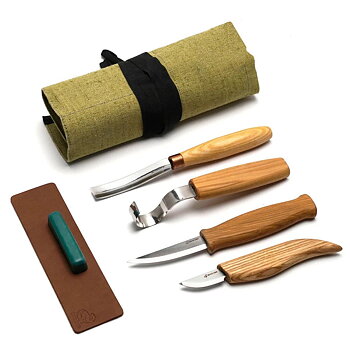
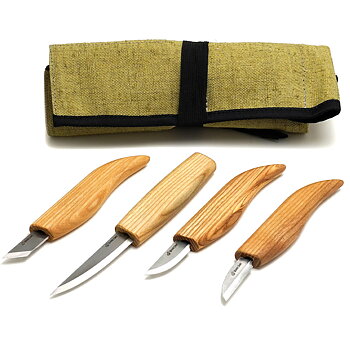
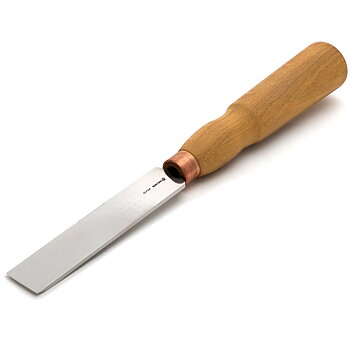
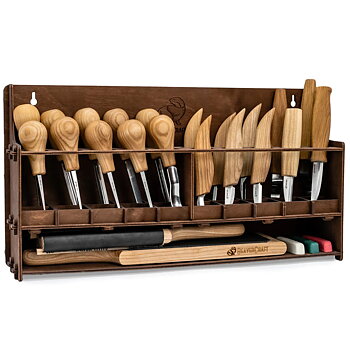
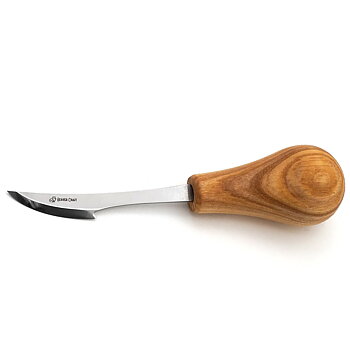
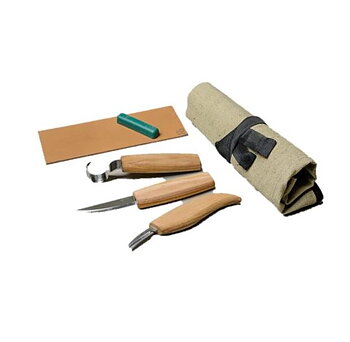
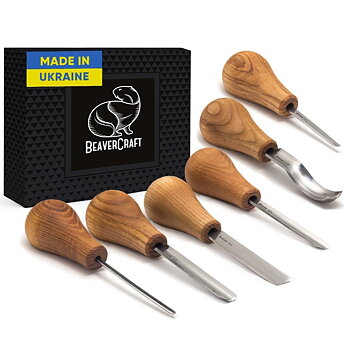
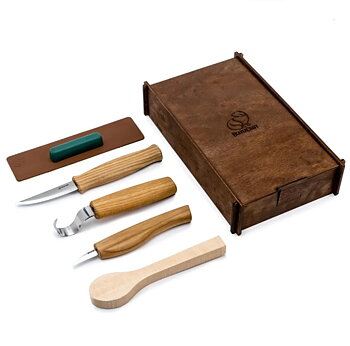
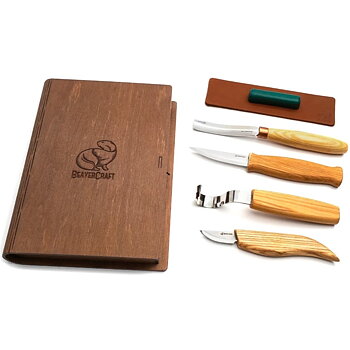
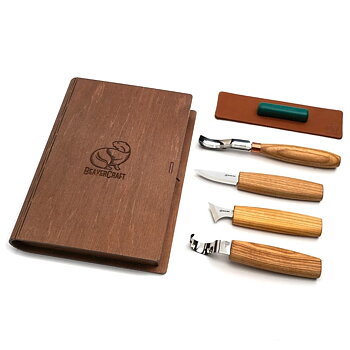
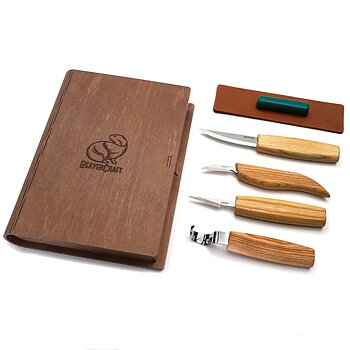
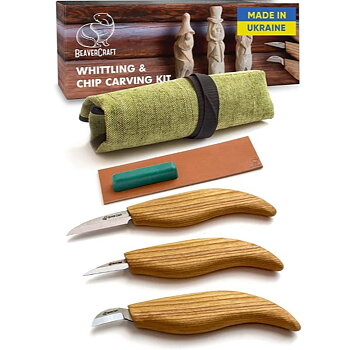
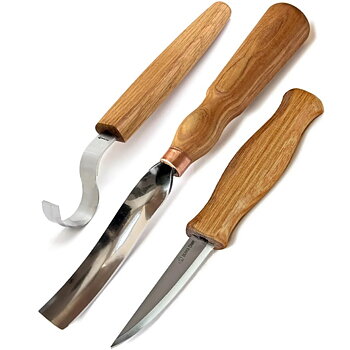
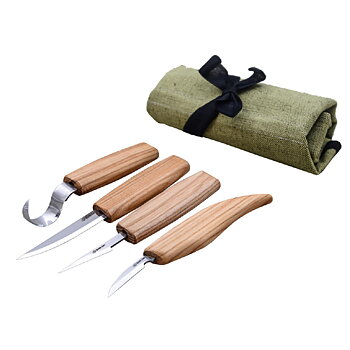
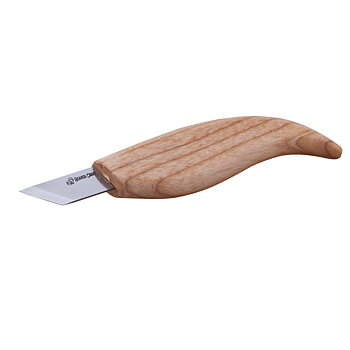
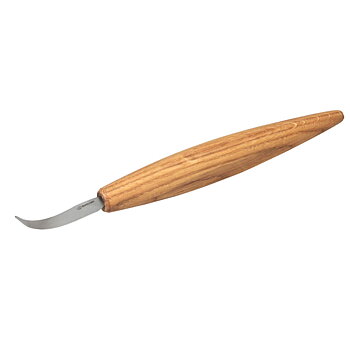
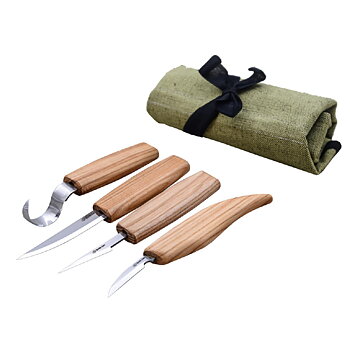
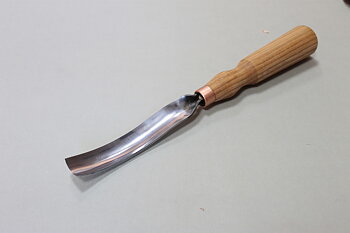
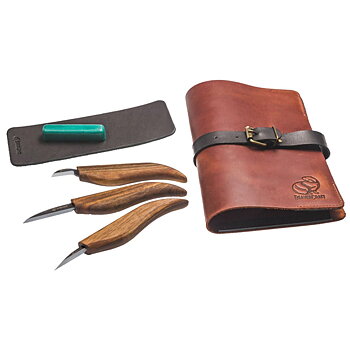
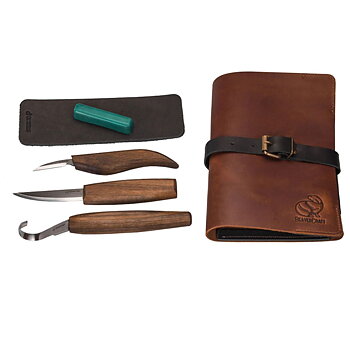
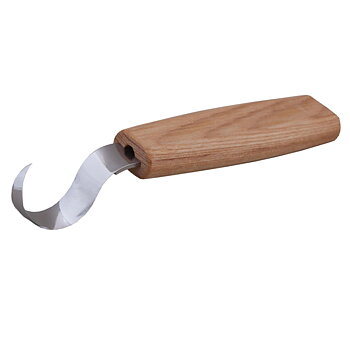
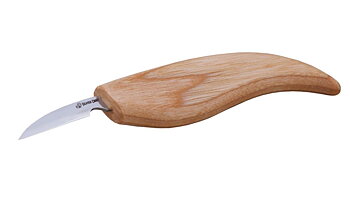
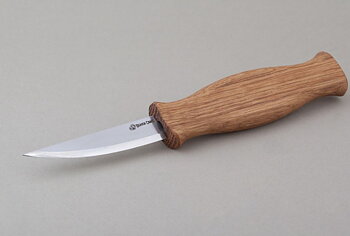
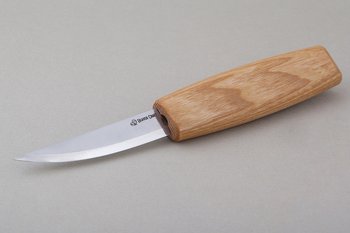
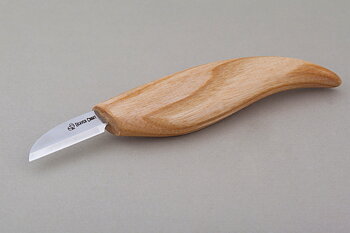
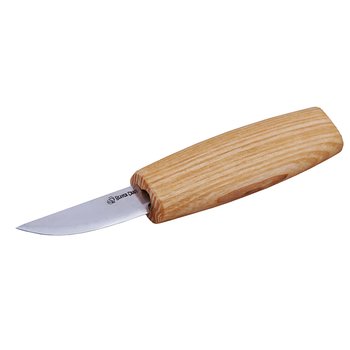
Knives are perhaps the most obvious tools needed for carving wood, and there are many to choose from. You'll need a sturdy carving knife to quickly remove excess material, and of course, carving knives like spoon knives.
Sharpening Stones
For woodcarving to be enjoyable and safe, you need sharp tools, and your knives should be regularly maintained with sharpening stones, leather strops, and polishing compounds. If you take good care of your knives, they will serve your woodcarving so much better and last a lifetime. Additionally, with proper care, carving knives become more beautiful over the years.
Which Wood Should You Choose for Your Woodcarving?
If you're just starting with woodcarving, it's better to choose a softer wood such as birch, lime, pine, willow, or horse chestnut. These are easier to carve. Once you've gained more experience, you can use birch burl, cherry wood, maple, apple, pear, olive, or walnut. All of these have beautiful patterns and colors that will add new dimensions to your creations.
Which Types of Wood Should You Avoid for Your Woodcarving?
If you buy your wood from a hobby store, it may lack grain patterns or knots. If you purchase it from a lumberyard, these features can be a bit of a challenge. Remember, if you're a beginner, it can be difficult to carve around these natural formations. Choose the cleanest wood available and come back for more challenging wood species later. Of course, the best option is to collect a piece of wood from nature for free. Select a few pieces from a fallen tree and split them on-site to determine if the wood is suitable for carving.