
Tents are a wonderful way for anyone who enjoys spending time outdoors and experiencing nature up close.
There is an abundance of different tents to choose from, with various materials, sizes, and specifications. Therefore, selecting the right tent is not always the easiest task. Factors that should determine your choice of tent include the weather conditions you will be using it in, as the tent's material and waterproofing can be crucial for how comfortable and safe your sleep will be. How will you reach your camping site, by hiking or by vehicle? In other words, does the weight of the tent matter? Last but not least, of course, is the budget. The saying "you get what you pay for" often holds true, but it's not always the case. If the tent is going to be used at a festival where temporary shelter from the rain is the only criterion, then perhaps the price doesn't need to be so high. Learn more about how to choose a tent at the bottom of this page.
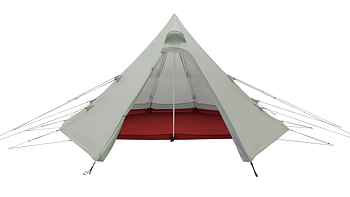


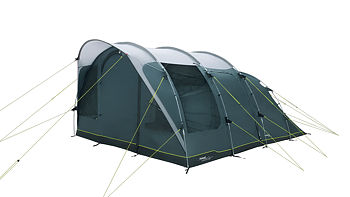
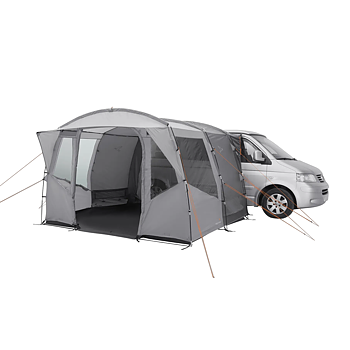

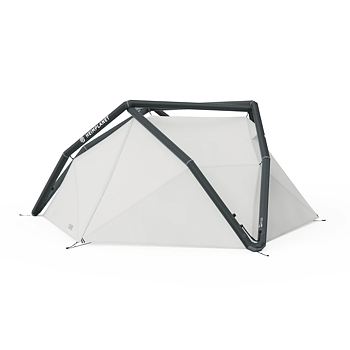
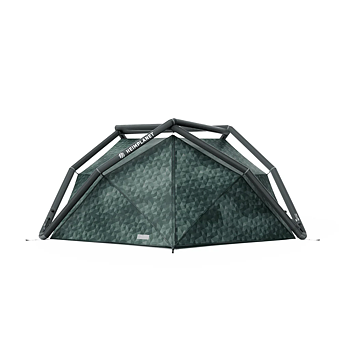
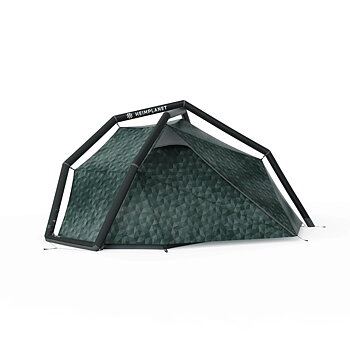
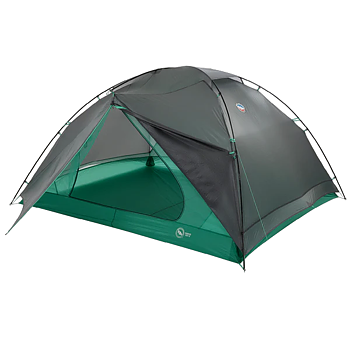
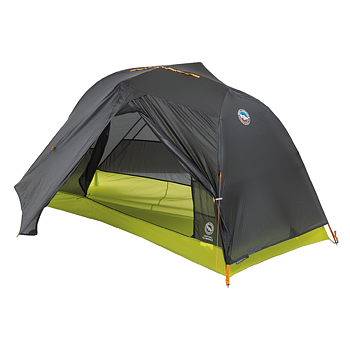


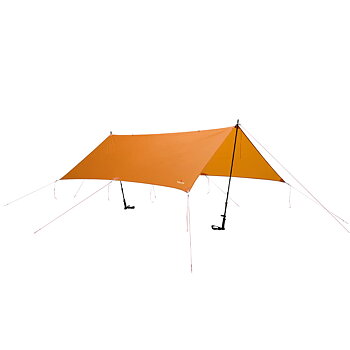
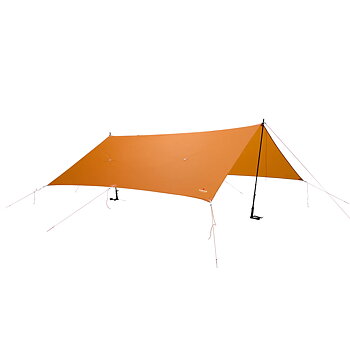
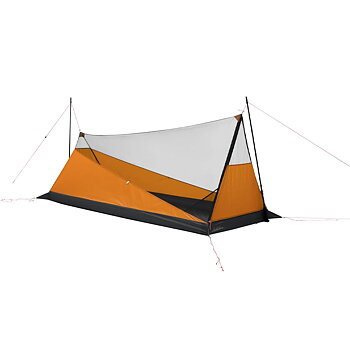

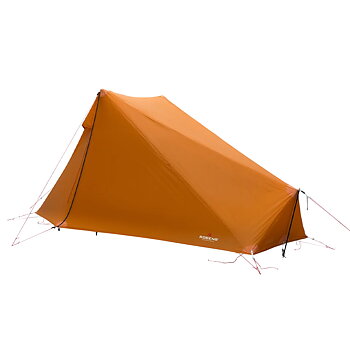


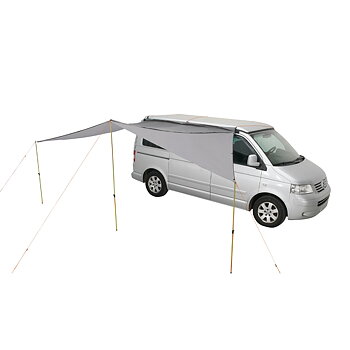
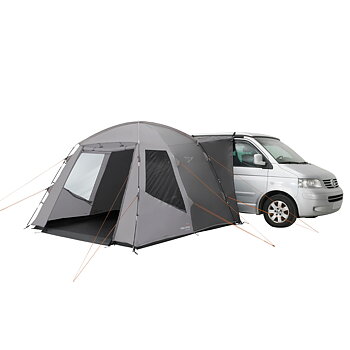

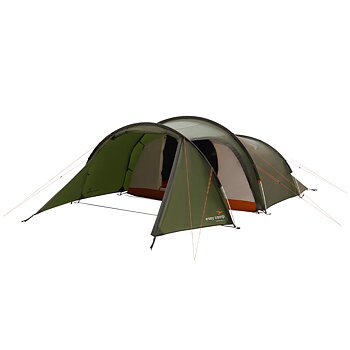
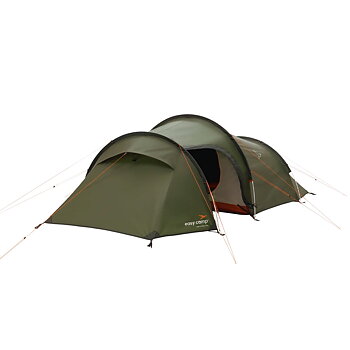
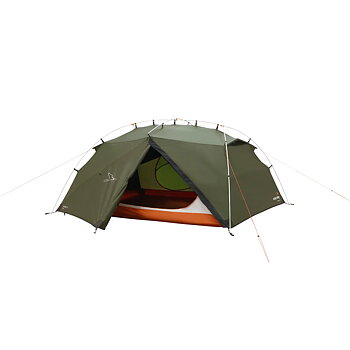
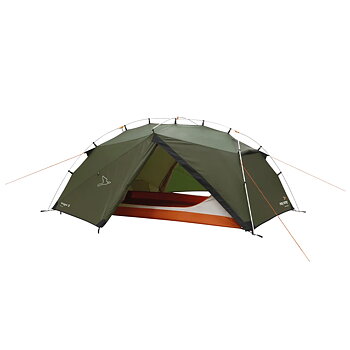
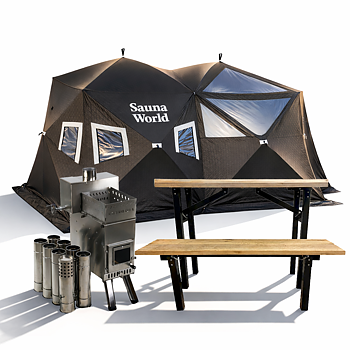
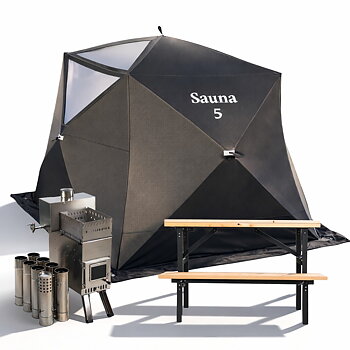
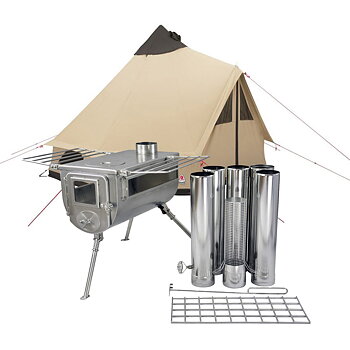
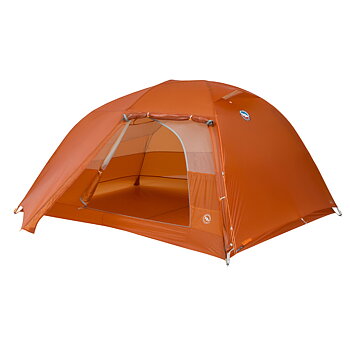

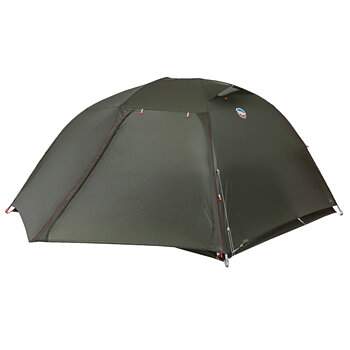

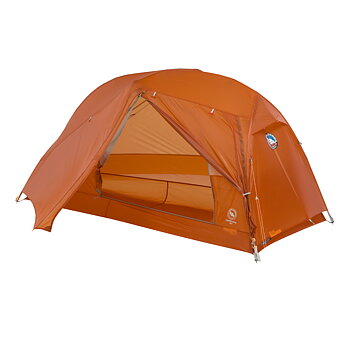
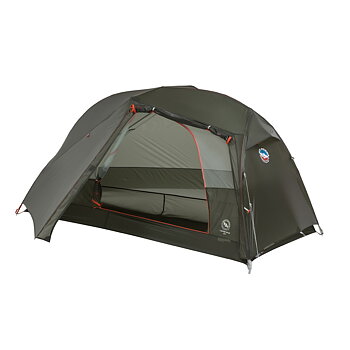
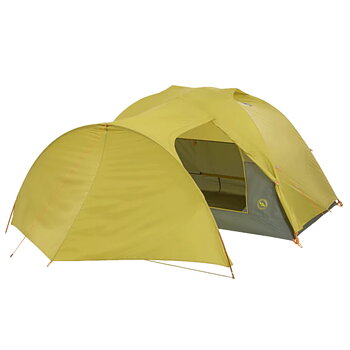
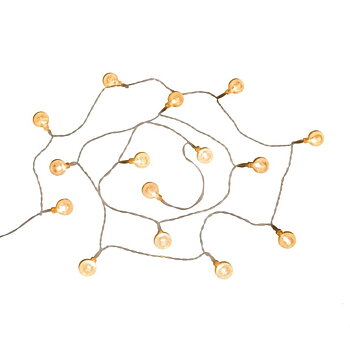
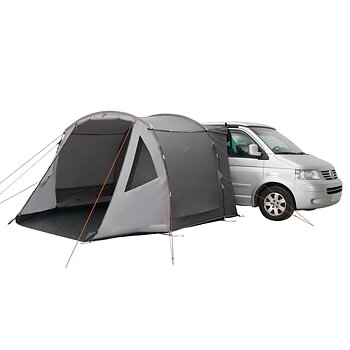

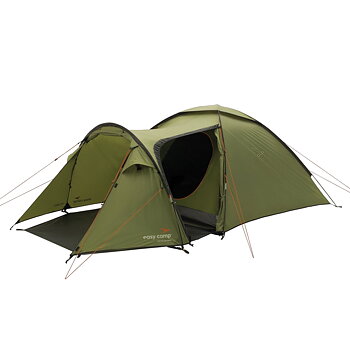

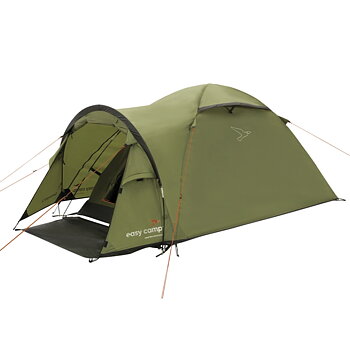
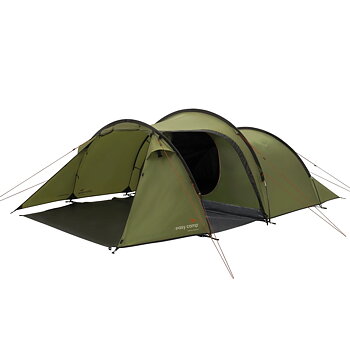


Popular product groups
To fall asleep to the patter of rain on the tent fabric rustling in the wind or to wake up to absolute silence, broken only by the chirping of birds, is the ultimate experience for many.
Most tents are made from some form of synthetic material, such as polyester or nylon. These materials are lightweight and durable, making them ideal for carrying on hikes or camping trips. There are also tents made from more natural materials, like cotton or canvas, which provide a more rustic and traditional feel. Regardless of the material you choose, it's important that it's durable and capable of protecting you from the elements.
But choosing a tent isn't just about practical specifications. It's also a fantastic experience to sleep outdoors and wake up to the sounds of nature. Crawling into your sleeping bag and camping under the stars can be cozy. Waking up to the sunrise, fresh air, and the sound of birds chirping can provide incredible energy and a sense of freedom.
So whether you're an experienced outdoors enthusiast or new to the scene, a tent will give you the opportunity to experience nature in an entirely new way. So pack your backpack, choose the tent that suits you best, and embark on an adventure!
Canvas Tents, for the Authentic Cowboy Feel
Canvas tents offer several advantages over tents made from other materials, such as nylon or polyester. Here are some of the main benefits of canvas tents:
Durability: Canvas tents are known for being extremely robust and durable. Canvas fabric is a powerful material that can withstand scratches, tears, and other wear and tear for many years. Additionally, canvas tents are usually more waterproof than other tents, making them ideal for use in rainy or humid conditions.
Ventilation: Canvas tents are also known for having excellent ventilation. Because canvas fabric is more breathable than other materials, air can circulate better inside the tent. This reduces the risk of condensation, mold, and bad odors inside the tent.
Insulation: Canvas tents also have better insulation properties than other tent materials. In hot conditions, canvas tents can keep the interior cooler, while in cold conditions, they can keep it warmer. This makes canvas tents an excellent choice for year-round use.
Aesthetics: Finally, canvas tents have a unique and classic aesthetic that many people appreciate. Canvas tents can provide a rustic and adventurous feel that works well for camping, hunting, and other outdoor activities.
In summary, canvas tents offer high durability, excellent ventilation, good insulation properties, and a unique aesthetic. That's why many people choose canvas tents for their outdoor adventures. However, canvas may not be suitable for those who need a lightweight and compact tent for long hikes. If you want to feel like a cowboy, then canvas is the ultimate material. If you need to carry the tent a long way, choose a lightweight tent.
Ultralight Tents for Long Hikes
Choosing the right tent for hiking is crucial for a comfortable and safe hiking experience. Here are some essential factors to consider when choosing a hiking tent:
Weight: The weight of the tent is crucial for hiking because you have to carry it on your backpack. Therefore, choose a lightweight tent that won't add too much weight to your gear. An ultralight tent can be an excellent solution if you want to minimize weight. Today, there are tents with ample space for one person that weigh less than a kilogram.
Size: The tent should be large enough to accommodate you and, if you wish, another person with whom you want to share the tent. It should also have enough space for your gear and other equipment. It's essential to find a balance between size and weight.
Material: The tent should be made of a strong and durable material that can withstand wind and rain. Nylon and polyester are common material choices for tents, but tents with lighter materials may be more prone to wear and tear. High waterproofing is also essential to keep you dry on rainy days.
Construction: Consider the tent's construction and stability, especially if you're camping in areas with strong winds or heavy snowfall. Tents with multiple poles or links between the poles are usually more stable than tents with only one pole. Good ventilation is also essential to avoid condensation inside the tent.
Price: Tents can vary in price depending on quality, size, and material choice. It's essential to find a balance between price and quality. A high-quality tent may be more expensive but can also last longer, while a cheaper tent can be a good choice if you don't plan to use it frequently.
Ease of Setup: A tent that is easy to set up and take down can be a significant advantage, especially if you plan to move from campsite to campsite every night.
In summary, choosing the right tent for hiking is crucial. Weight, size, material, construction, price, and ease of setup are all important factors to consider. It's also important to choose a tent that suits your needs and activities.
When Paddling in the Archipelago
When choosing a tent for kayaking, it's important to consider its durability, weight, packability, and ability to withstand wind and rain. Here are some factors that may be important to consider:
Material: The tent's material should be durable and waterproof to resist splashes and rain. Many kayak tents are made of materials like ripstop nylon or polyester, which are lightweight yet durable. High waterproofing is also crucial to prevent water from entering the tent.
Size: The size of the tent is essential because it should accommodate you and your gear but not be too large and unwieldy to carry in the kayak. A lightweight tent can be a good option for kayakers looking to minimize their load.
Weight: The weight of the tent is another vital consideration, especially if you plan to carry it with you in the kayak. A lightweight tent, weighing less than 2-3 kilograms, may be suitable for kayakers who need to transport the tent.
Construction: Consider the tent's construction and stability, especially if you're camping in areas with strong winds or heavy snowfall. Tents with large, sturdy poles or tents that can be secured with extra lines and stakes may be better suited for winter conditions.
Packability: The tent should be easy to pack and carry in the kayak. A tent that rolls up and packs into a small bag can be a good option for kayakers.
Ease of Setup: A tent that is easy to set up and take down can be advantageous, especially when you're on the water. Being able to set up the tent quickly and efficiently is essential, particularly in rainy or windy conditions.
In summary, choosing the right tent for kayaking requires careful consideration of its durability, weight, packability, construction, and ease of setup. It's also important to select a tent that suits your specific needs and activities.
When Choosing Between a Tent and an Igloo
Selecting the right tent for winter camping is essential for a safe and comfortable camping experience. Here are some crucial factors to consider when choosing a winter tent:
Material: The tent should be made of robust and durable material that can withstand strong winds, snow, and cold temperatures. The tent should also have good waterproofing to prevent snow and ice from melting and entering the tent.
Shape: The tent's shape plays a significant role in how it handles winter conditions. A tent with a sloping roof can handle snow and ice better than a tent with a flat roof. At the same time, you want a low tent to avoid strong winds.
Ventilation: The tent should have good ventilation to reduce the risk of condensation and moisture. However, it shouldn't be too ventilated to prevent it from getting too cold inside.
Size: The tent should be large enough to accommodate gear and sleeping space but not so large that it's challenging to keep warm. A smaller tent can be warmer because it requires less body heat to warm up the space.
Weight: Consider the weight of the tent when choosing a winter tent. A heavy tent can be challenging to carry and set up, especially in snowy conditions.
Construction: It's essential to consider the tent's construction and stability, especially if you're camping in areas with strong winds or heavy snowfall. Tents with large, sturdy poles or tents that can be secured with extra lines and stakes may be better suited for winter camping.
In summary, choosing a tent for winter camping may require more careful planning than choosing a tent for summer camping. It's essential to choose a tent made of durable material, with good ventilation, the right size, and the right shape for winter conditions.
When price is the Only Important Factor
When choosing a budget tent, it's essential to find a balance between price and quality. Here are some factors that can help you choose the right budget tent:
Price: Price is often the most critical factor when choosing a budget tent. However, it's essential to have a realistic budget and compare prices between different brands and models.
Size: Consider the tent's size, as it should accommodate you and your gear. It's also important to think about how much space you need to sleep comfortably and move inside the tent.
Weight: Weight is another crucial factor to consider, especially if you plan to carry the tent with you on hikes or camping trips. A lightweight tent is usually more manageable and easier to transport.
Construction: The tent's construction is essential to withstand weather and wind. Choose a tent with a solid structure and durable materials.
Material: The tent's material affects its durability and waterproofing. Tents made from ripstop nylon or polyester are often lightweight yet durable. High waterproofing is also vital to keep you dry in rainy conditions.
Ventilation: Good ventilation is essential to reduce condensation inside the tent and keep it comfortable, especially during hot weather. Ventilation can be an aspect that budget tents may compromise on, so consider choosing a two-layer tent, where the outer tent can be removed to offer excellent ventilation even on scorching festival nights.
Ease of Setup: A tent that is easy to set up and take down can be a significant advantage, especially if you have limited experience pitching tents.
In summary, choosing a budget tent that meets your expectations in terms of price and functionality is possible. Technology has come a long way, and today there are budget tents that also offer high quality. Here at The General Prepper, you can find budget tents of good quality that meet both price and function expectations.
We hope this makes it easier for you to choose a tent. If you have any questions, feel free to contact us at kundservice@generalprepper.com.