
Foam Sleeping Pads: Lightweight and Effective Insulation
When it comes to enhancing your outdoor experience with comfort and efficient insulation, foam sleeping pads are an excellent choice. These sleeping pads have become increasingly popular among outdoor enthusiasts due to their unique properties and advantages.
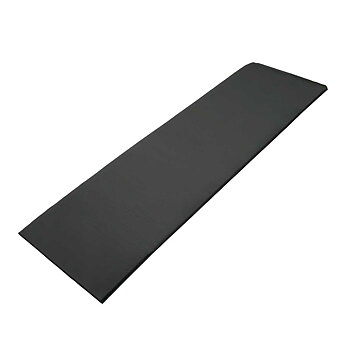
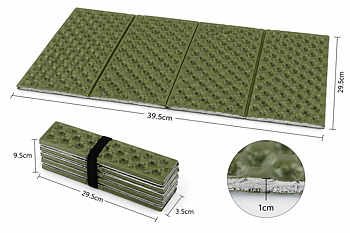
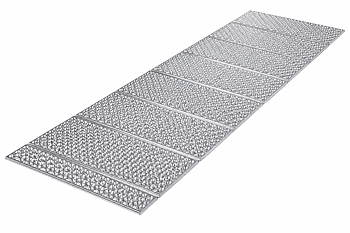
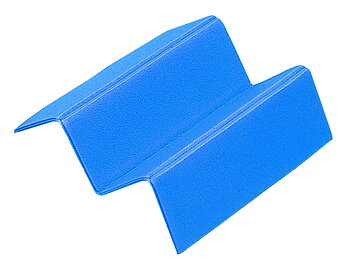
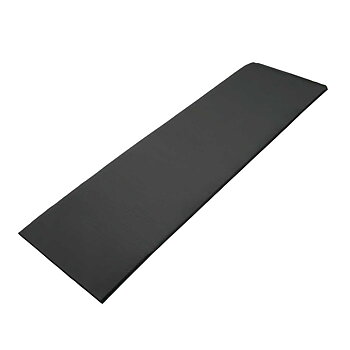
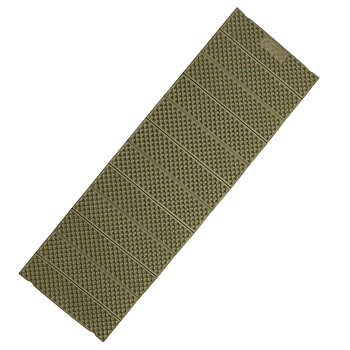

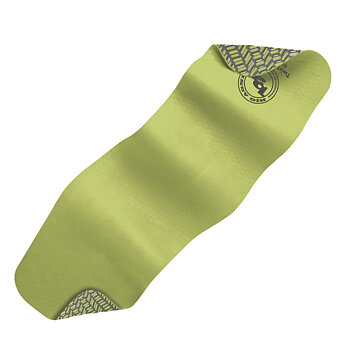
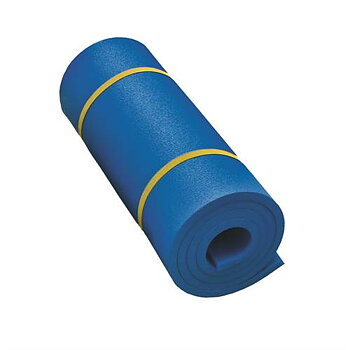
popular product groups
What is Cellular Plastic?
Cellular plastic, commonly known as expanded polystyrene (EPS) or extruded polystyrene (XPS), is used to create these sleeping pads. One of the most prominent advantages of cellular plastic is its lightweight nature. This makes the sleeping pad highly portable and ideal for hikers and campers looking to minimize their pack weight.
Properties of Cellular Plastic
Another noteworthy characteristic of cellular plastic sleeping pads is their impressive insulation capability. Cellular plastic boasts high thermal resistance, meaning it effectively insulates against both cold and heat. When you lie on such a sleeping pad, it creates a barrier that prevents body heat from transferring to the ground, which is crucial for keeping you warm and comfortable on chilly nights or snowy terrain.
Benefits of Cellular Plastic Sleeping Pads
Another advantage of cellular plastic sleeping pads is their durability and resistance to moisture. Cellular plastic does not absorb moisture, meaning it won't be damaged by rain or condensation. Its robust construction also makes it resistant to punctures and wear, providing you with a reliable companion for many outdoor adventures.
In summary, sleeping pads made of cellular plastic are an excellent choice for those who value lightweight, insulating, and durable options for their gear. Whether you're on a hiking expedition, a camping trip, or any other form of outdoor adventure, these sleeping pads can help you get a good night's sleep and wake up ready to explore nature.